A Vibrant Chinese New Year Celebration at Beau Soleil
Written by: Gao, Grade 10 Student
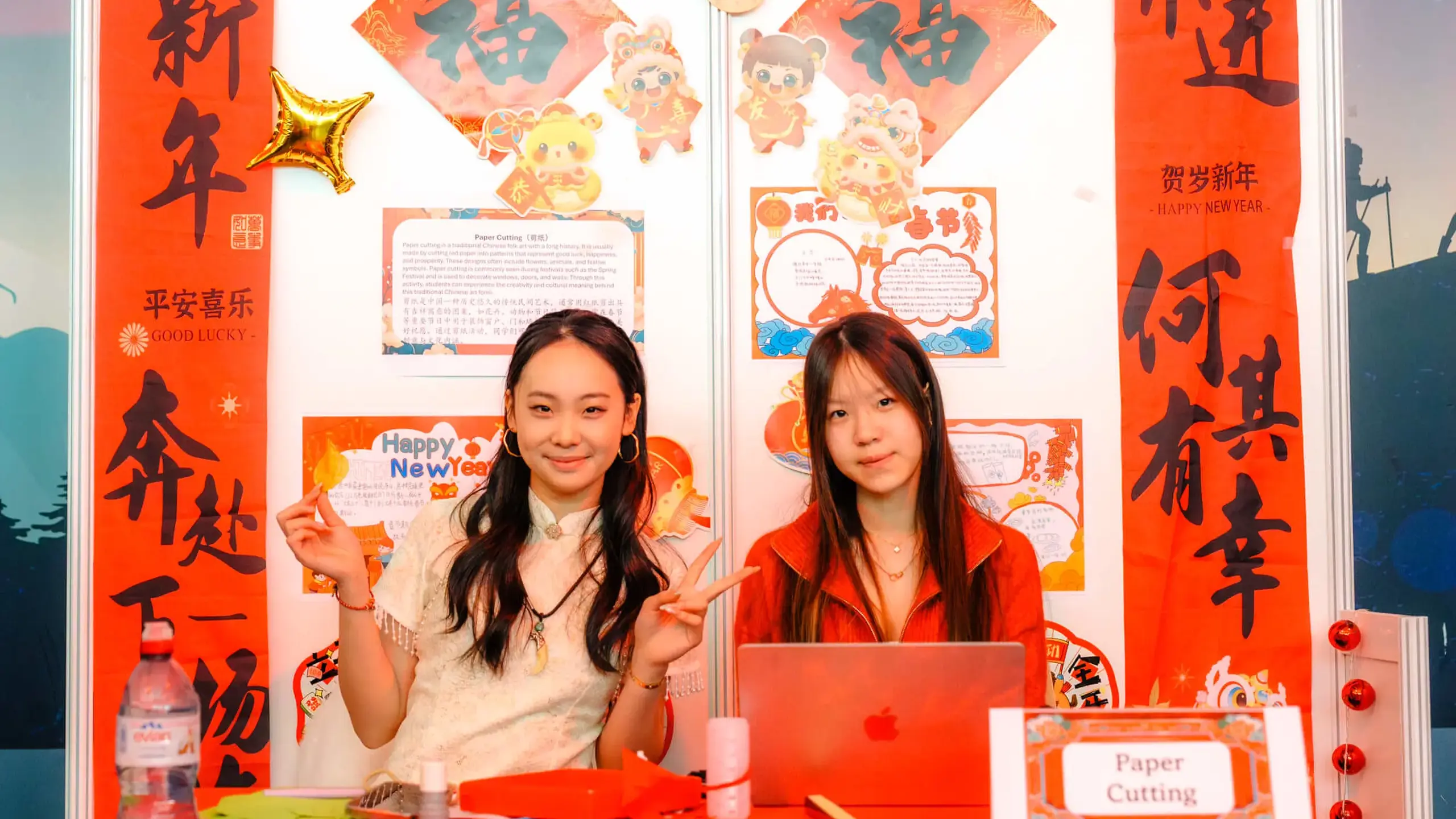
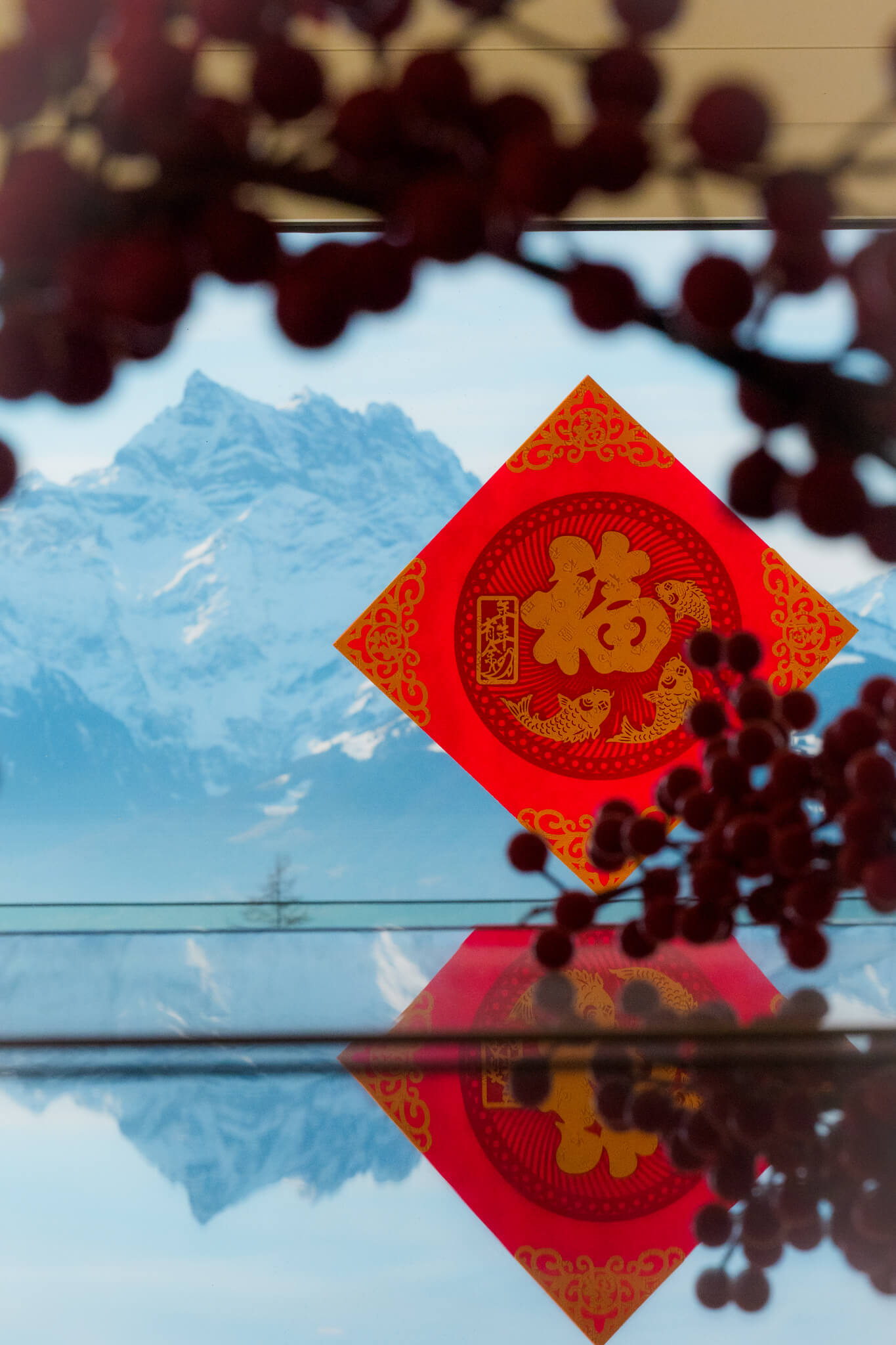
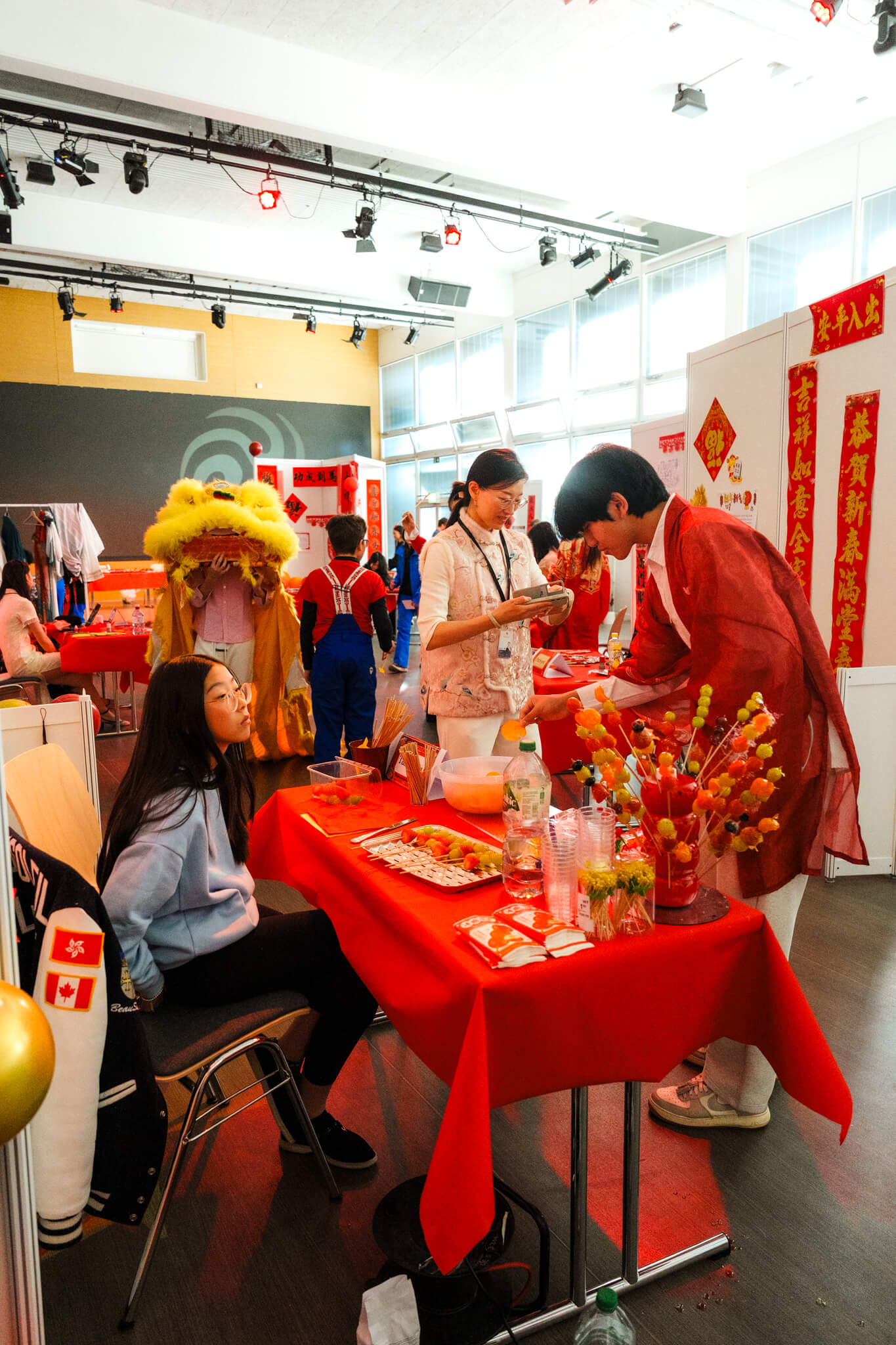
As the Chinese New Year approached, our campus was filled with a festive atmosphere. Red lanterns were hung high, traditional decorations adorned the hallways, and Spring Festival couplets could be seen throughout the school, creating an immersive Lunar New Year environment.
On February 9th, students of all ages at Beau Soleil hosted a Chinese New Year Cultural Experience Fair. The event welcomed students, teachers, and staff, offering everyone a meaningful and interactive opportunity to explore and celebrate the rich traditions of Chinese culture in a joyful and festive setting.
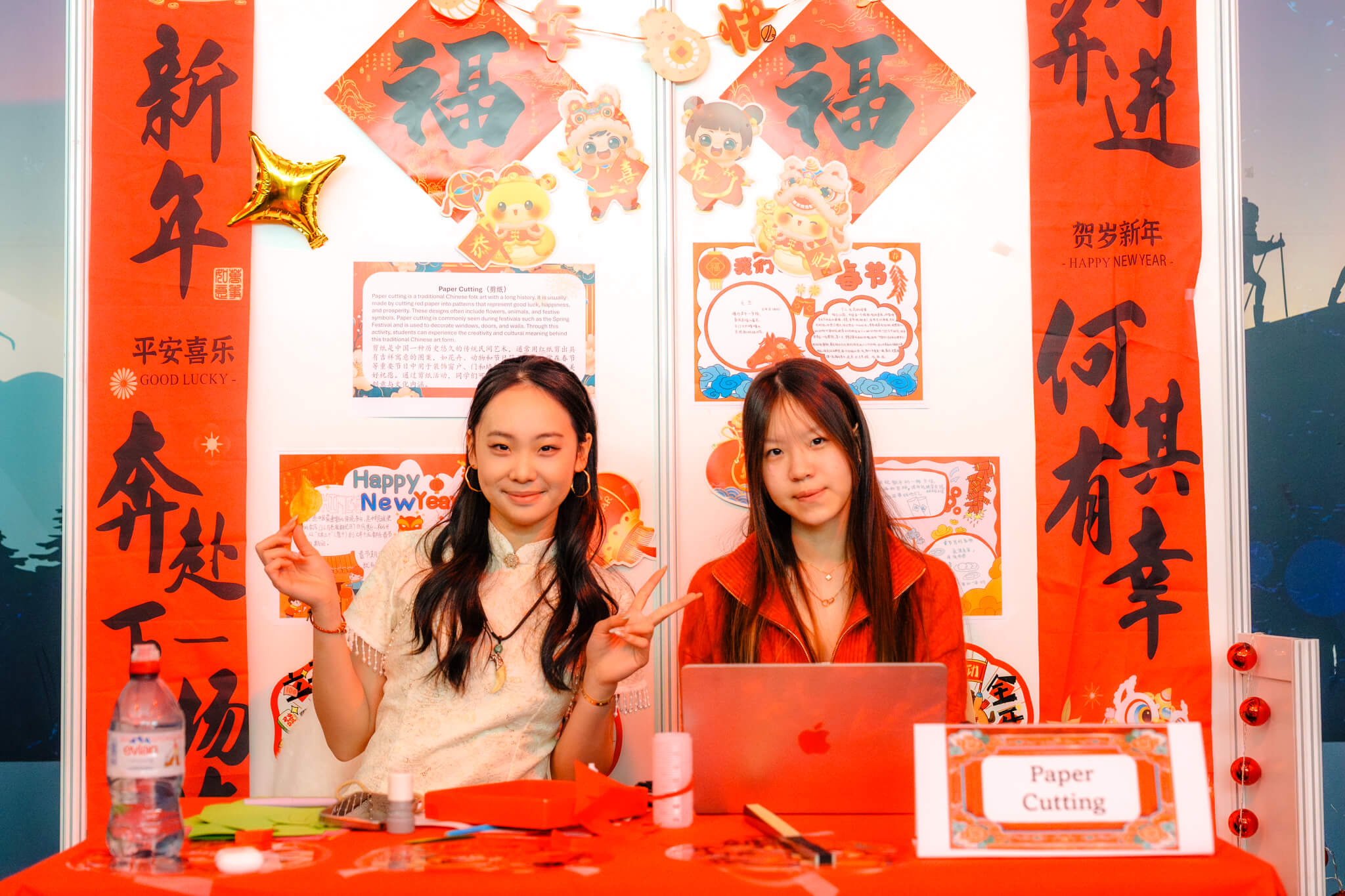
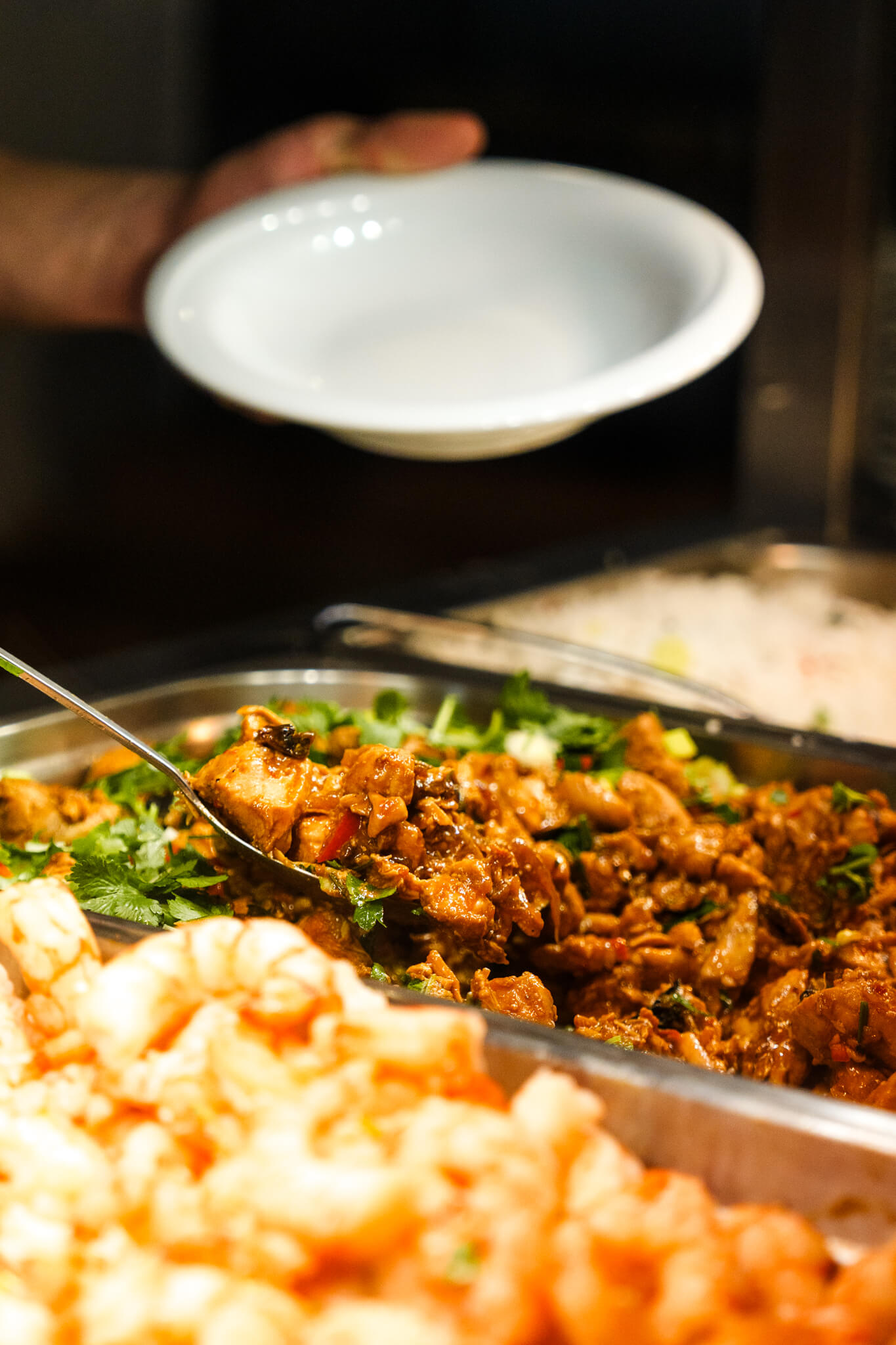
The exhibition featured several traditional cultural experience stations, including calligraphy, paper cutting, lantern making, and traditional snack preparation, allowing participants to experience the diversity and history of Chinese traditions first-hand. The fair not only helped promote and preserve traditional culture but also fostered cultural exchange and understanding within our diverse school community.
During the Spring Festival period, Chinese students at Beau Soleil, together with other students interested in Chinese culture, organised a special Chinese New Year Market under the leadership of Grade 11 students as part of their CAS Project. Students and teachers visited the market throughout the day, enjoying the wide range of activities while learning more about Chinese traditions. With the warm hospitality of the Chinese students, visitors were able to experience the festival atmosphere while having great fun.
The Spring Festival is one of the most important celebrations in Chinese culture, comparable in significance to Christmas or Thanksgiving in Western countries. Its history dates back to ancient times and marks the beginning of a new year. Over the centuries, many traditions have developed around the festival, such as posting Spring Festival couplets, setting off firecrackers, performing dragon and lion dances, and sharing a reunion dinner, all of which carry people’s hopes and blessings for the coming year.
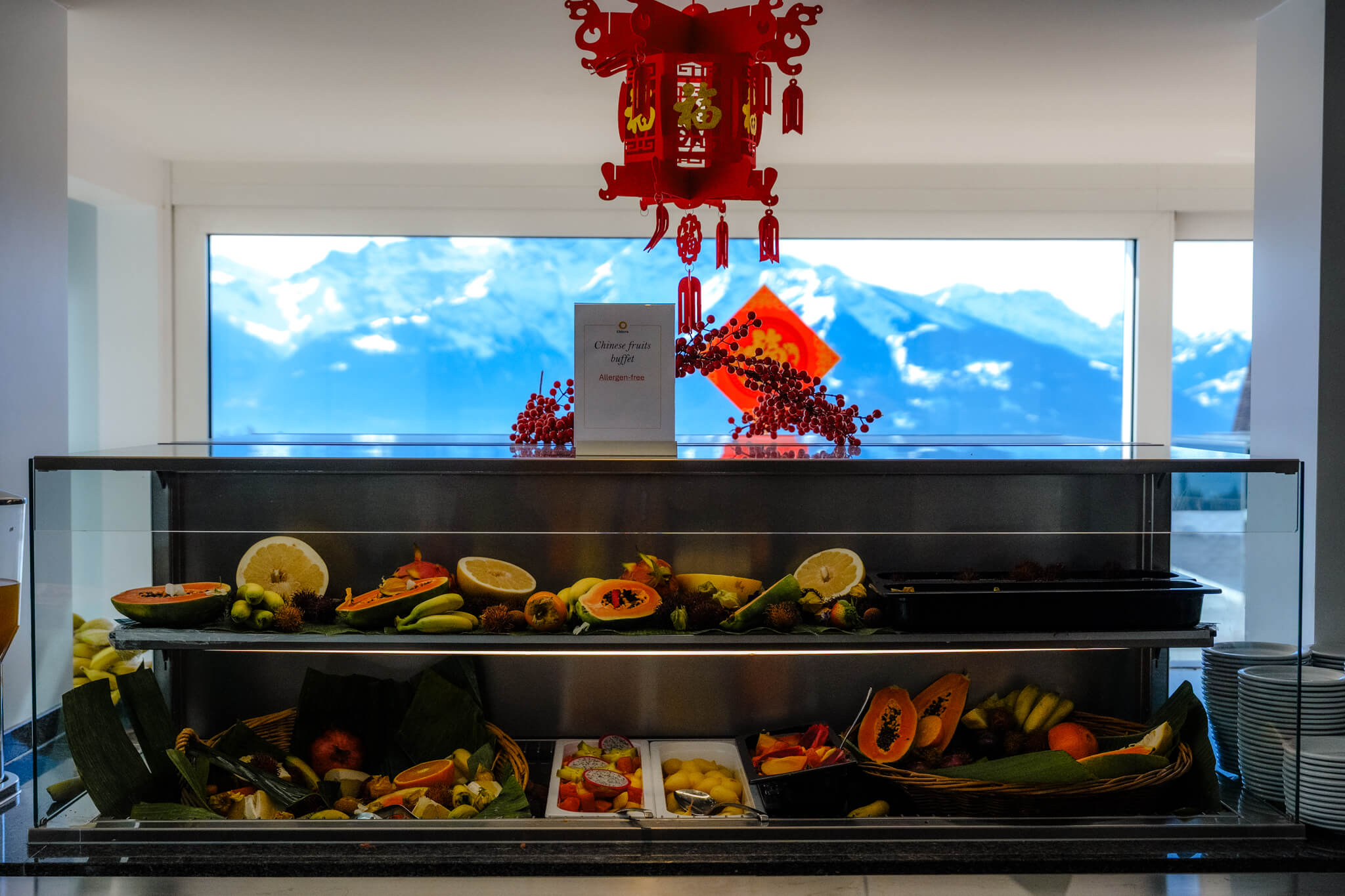
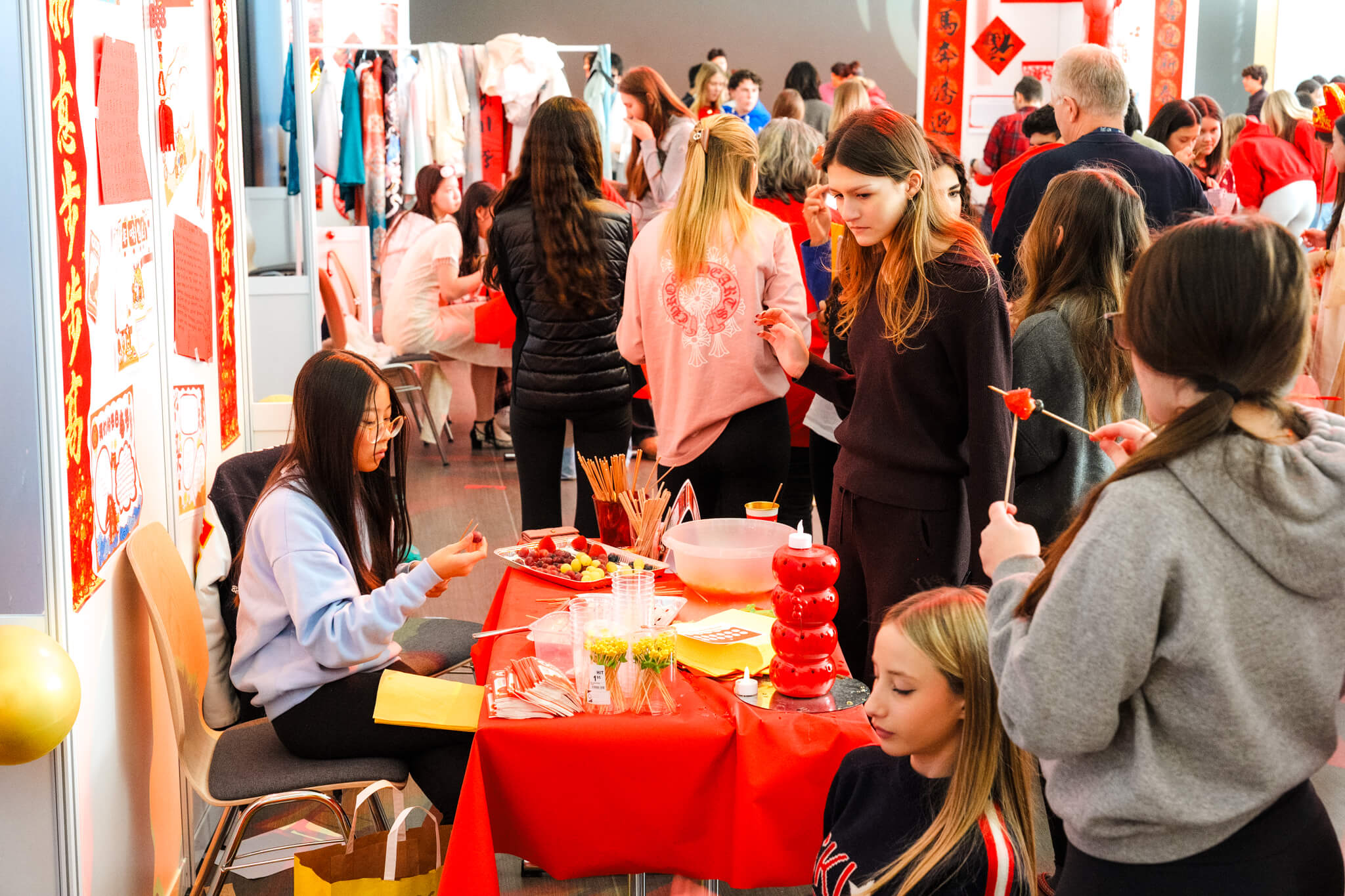
At this cultural fair, students designed several themed cultural exhibition areas. One of the first sections introduced the history and traditions of the Spring Festival. Carefully prepared posters explained the origins of the festival and related customs, including the legend of the “Nian” monster and the cultural symbolism of the colour red and firecrackers as protection against misfortune. Students and teachers could freely explore these displays, gaining a deeper understanding of the cultural background of Chinese New Year.
Nearby, the calligraphy experience station was particularly lively. Chinese students prepared practice sheets that allowed visitors to try writing auspicious Chinese characters such as “Fu” (fortune) and “Chun” (spring). For many participants, it was their first time holding a Chinese brush. Although they were initially unfamiliar with the technique, with patient guidance they soon managed to write recognisable characters, sparking a strong interest in Chinese calligraphy.
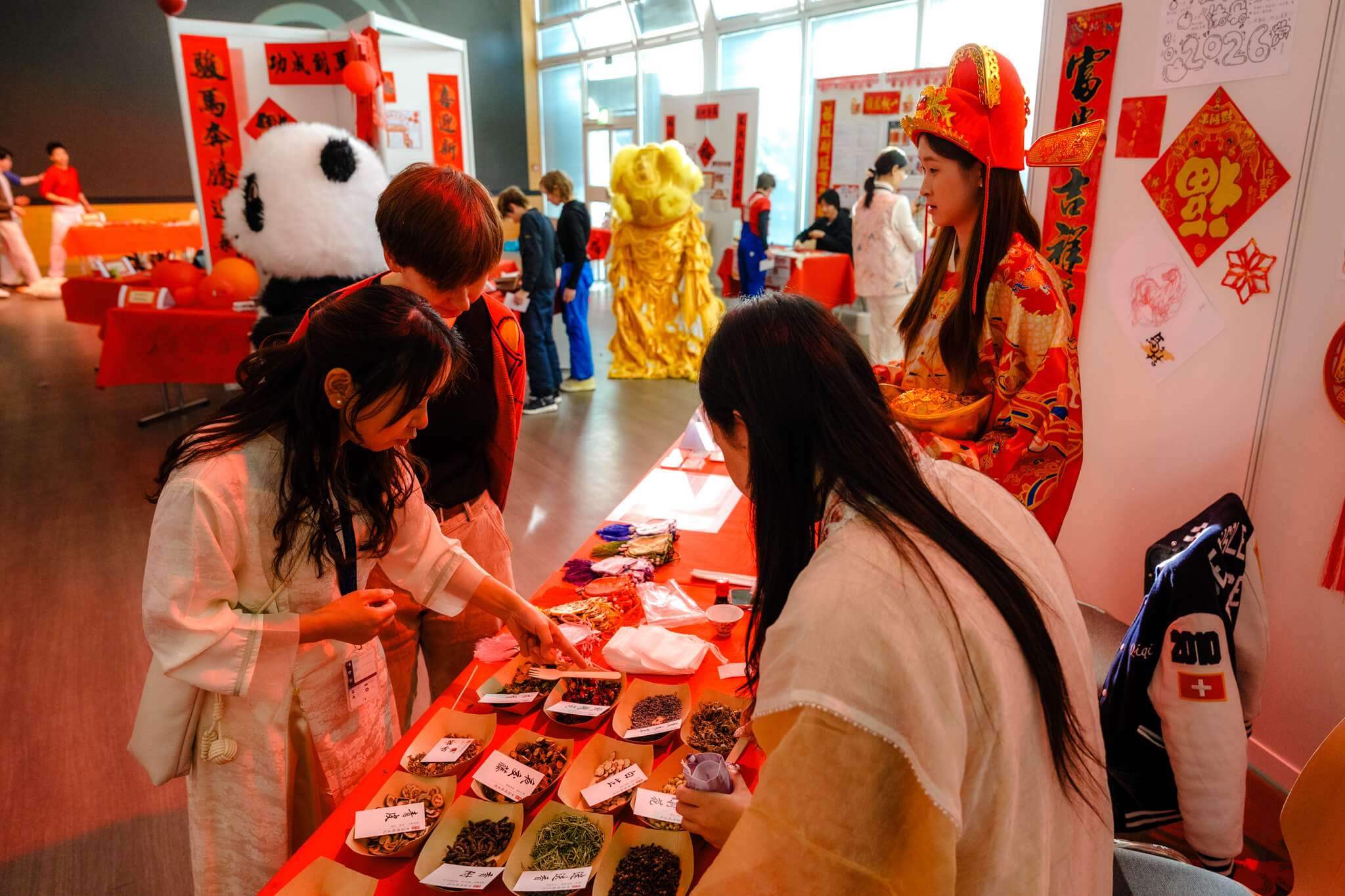
Another station featured a traditional herbal sachet workshop, highlighting elements of traditional Chinese medicine culture. More than twenty types of herbs were displayed for visitors to choose from while creating their own sachets. Students introduced the scents and uses of different herbs while guiding participants through the DIY process, making the activity both engaging and culturally meaningful.
At the traditional clothing display area, several sets of Hanfu were prepared for visitors to try on. Many students dressed in the elegant garments and took photos under the red lanterns and festive decorations, making the New Year market even more immersive and allowing participants to feel as if they were part of a traditional Chinese celebration.
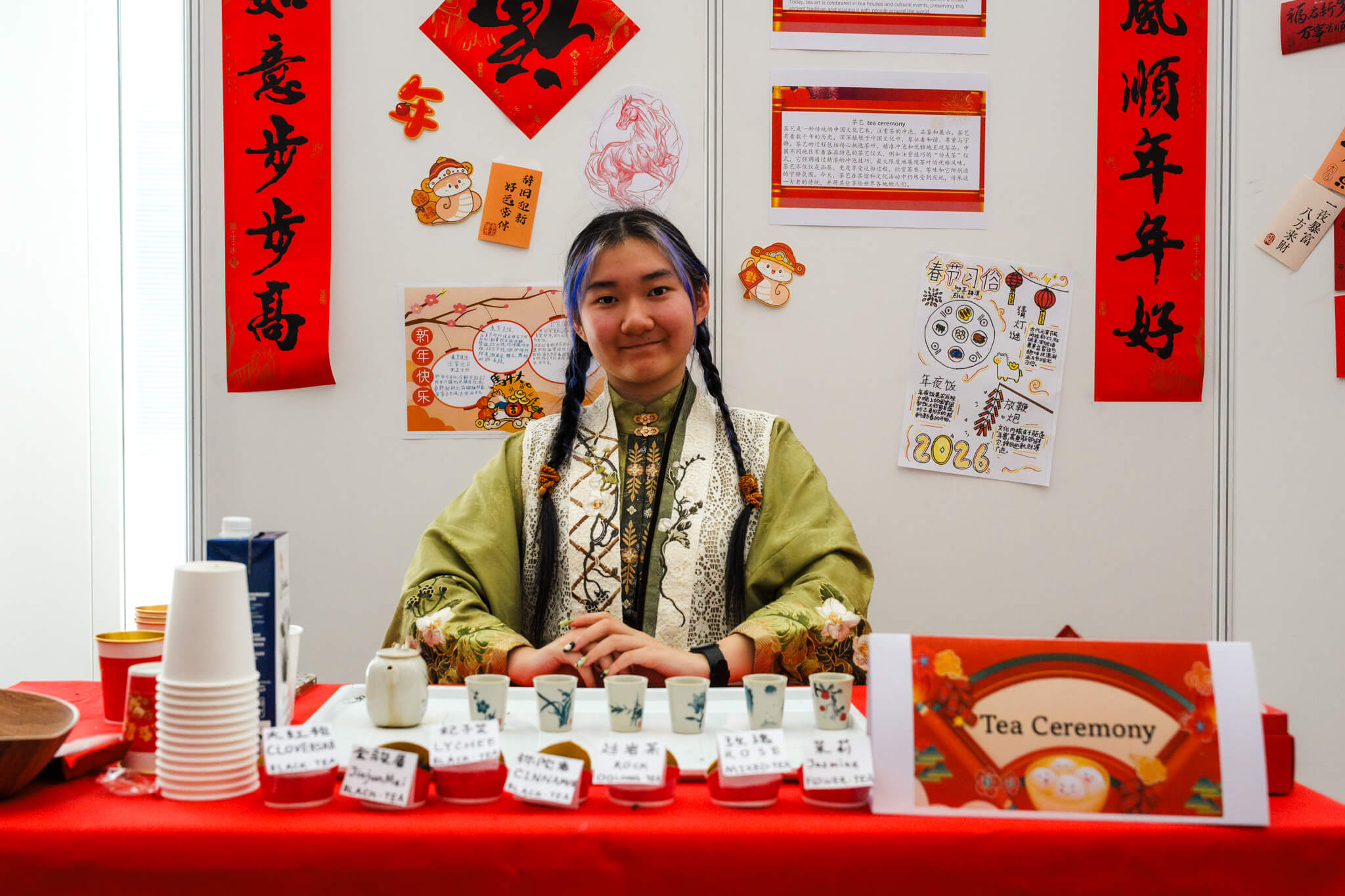
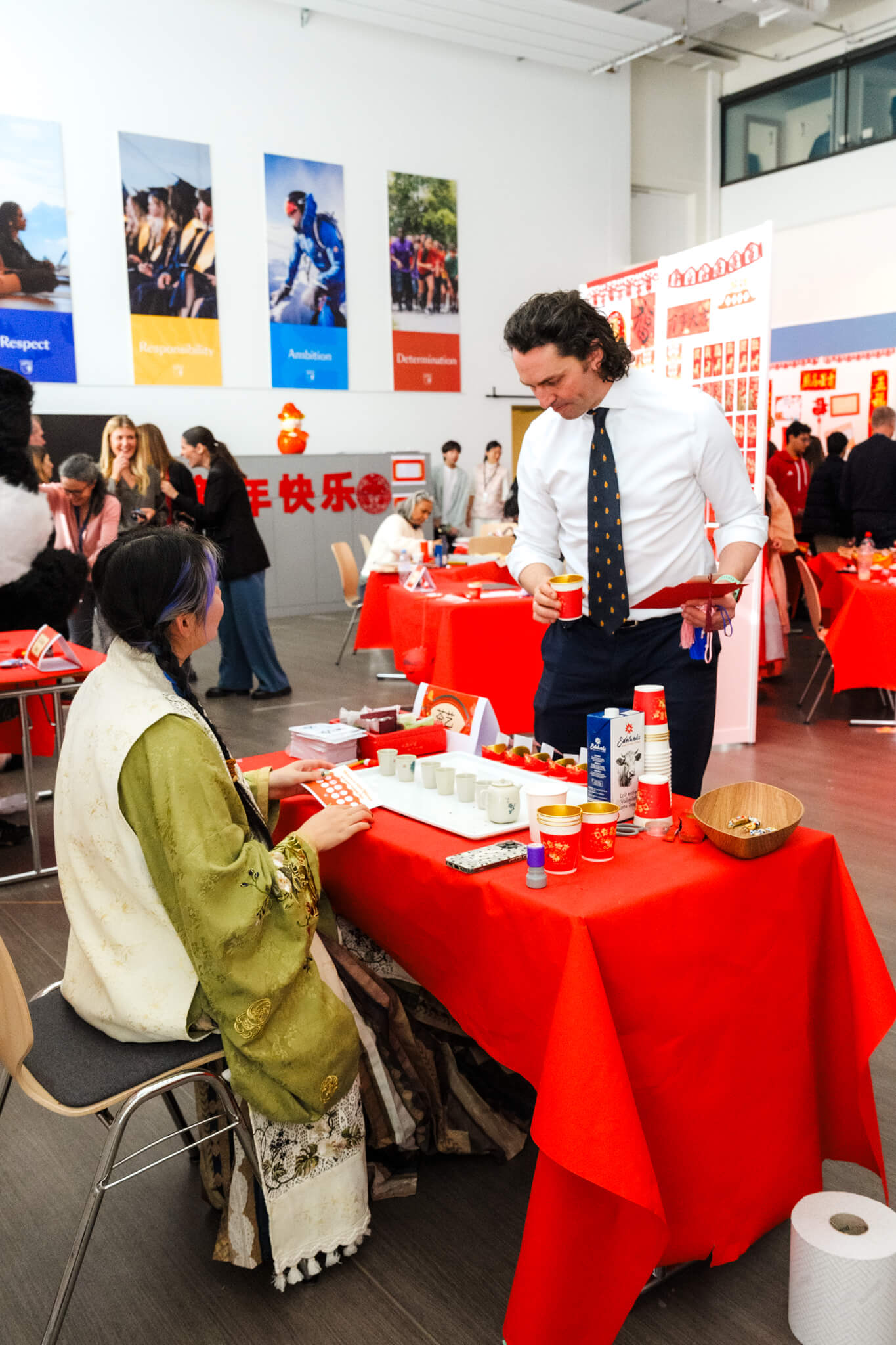
The tea ceremony demonstration also attracted considerable attention. Chinese students presented the elegant process of traditional tea preparation, including the technique known as “Phoenix Nods Three Times”. The graceful and rhythmic movements impressed the audience and showcased the etiquette and aesthetic beauty embedded in Chinese tea culture.
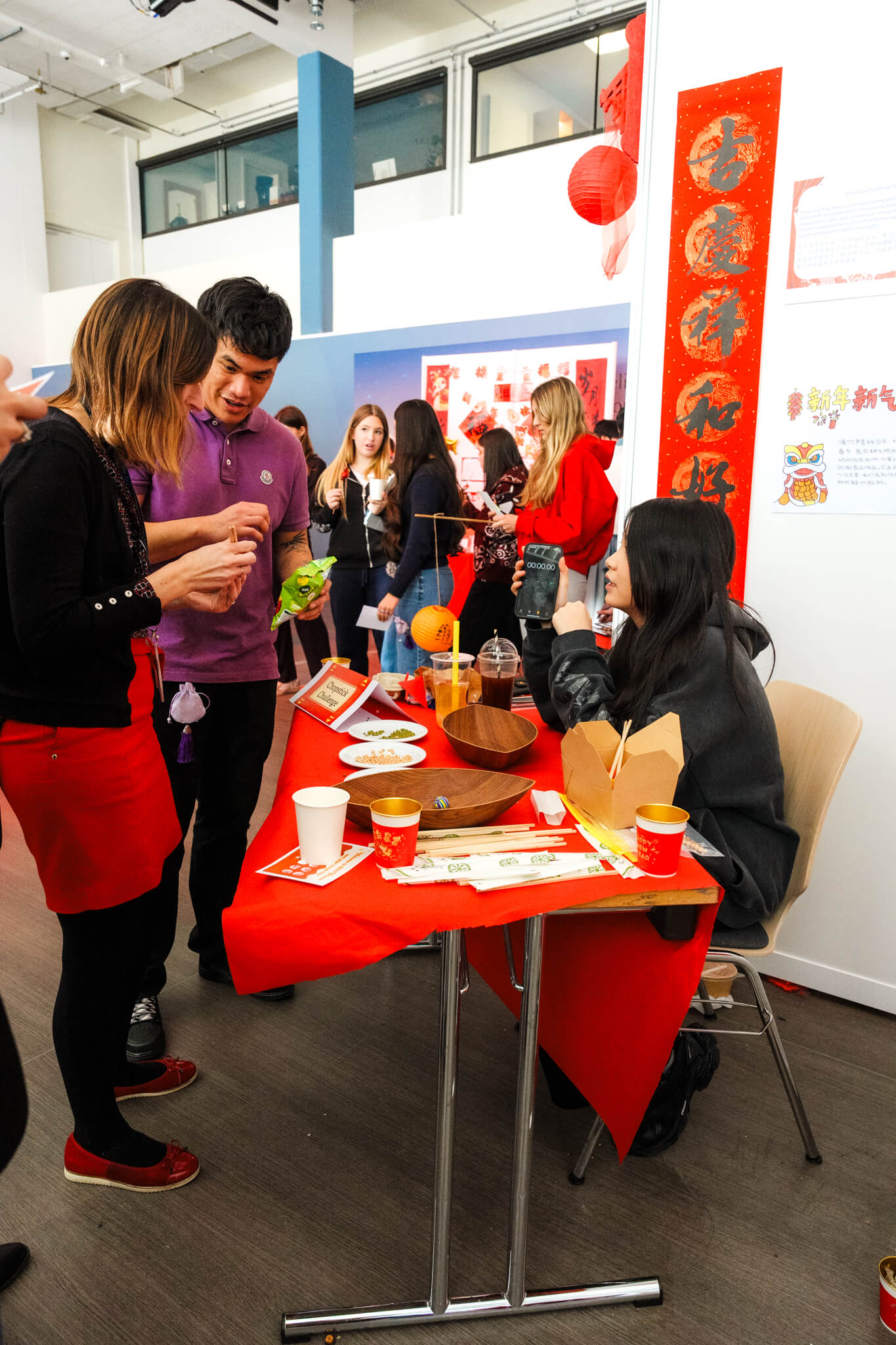
In addition, the market included a variety of fun interactive activities, such as picking up ping-pong balls with chopsticks and playing shuttlecock, which encouraged enthusiastic participation from both students and teachers. The atmosphere was lively and filled with laughter.
During an interview, a teacher who preferred to remain anonymous shared that although he had never visited China, the enthusiasm and careful preparation of the Chinese students made him feel as if he were experiencing Chinese culture first-hand. He especially enjoyed the interactive games, noting that activities like using chopsticks to pick up ping-pong balls and kicking shuttlecock were both entertaining and helpful in understanding everyday aspects of Chinese culture. He also commented that the overall visual design of the market was impressive, and that the thoughtful interaction at each station reflected the confidence and passion Chinese students have for sharing their culture.
Filled with laughter and festive spirit, the Chinese New Year Cultural Experience Fair concluded successfully, leaving our campus with a memorable celebration rich in cultural exchange and Eastern charm.
Discover more

Exeat Adventures: Surfing in San Sebastián
Discover how Beau Soleil students spent Exeat weekend in San Sebastián, combining surfing, local culture, city exploration and time with friends.

From Train to Télécabine: The First Challenge of the Year
Discover the Beau Soleil Challenge Series, a tradition spanning more than 35 years that encourages students to step outside their comfort zones, challenge themselves and achieve something together.

Beau Soleil Golfers Tee Off the New Season
Beau Soleil golfers begin the season at Sion Golf Club, with students gaining valuable competition experience and celebrating a standout win.

Dance Showcase at Beau Soleil
Beau Soleil students took to the stage in a vibrant Dance Showcase featuring ballet, jazz, contemporary and hip hop performances.

What is Model United Nations?
Discover what really happens inside Model United Nations as members of the Beau Soleil MUN club share their experiences of debate, diplomacy, collaboration, and fast-paced crisis committees. From representing different countries to thinking under pressure, students explain why MUN is far more than just public speaking.

A Warm Welcome to Our New Students at Beau Soleil
Welcome to Beau Soleil and discover how we welcomed our new students and families to Villars for two sunny days of introductions, activities and new beginnings.
IB Success for Class of 2026
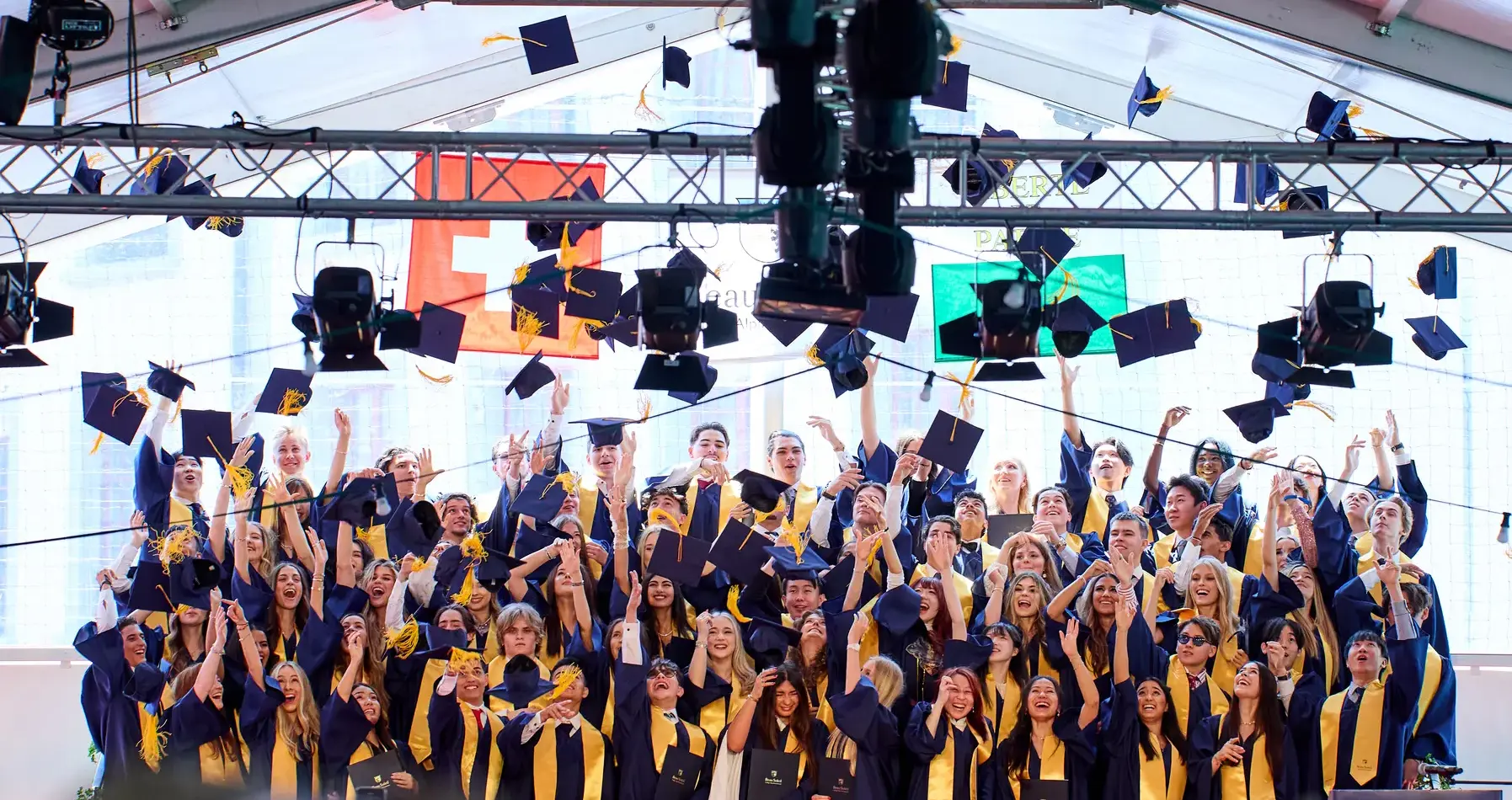
The Class of 2026 at Beau Soleil International School has once again demonstrated exceptional achievement in the International Baccalaureate (IB) Diploma Programme. With an average score of 35 points and a highest score of 45/45, our graduates continue to perform well above the global average. Their success reflects not only academic excellence, but also perseverance, ambition, and a truly global outlook. Graduates have received offers from leading universities including New York University, Vanderbilt University, the London School of Economics and Political Science, Imperial College London, UCLA, USC, and many more around the world.

Grade 11 Take on Their First Alpine Expedition of the Year
Grade 11 students head into the Swiss Alps for a two-day Outdoor Education expedition, taking on hiking, climbing, glaciers and new challenges.

The Beau Soleil Podcast – Episode 3: What does art teach us that other subjects cannot?
In Episode 3 of The Beau Soleil Podcast, Grade 12 Visual Art students join our Art Faculty Lead Carla Meisel and Dr Paul Lynch for a conversation that moves far beyond exhibitions, technique or assessment.
From vulnerability and artistic identity to politics, emotion and self-expression, this episode explores how art education engages something deeper within us — memory, experience and the courage to create.

Beau Soleil Student Wins Global Campus Writing Competition
Beau Soleil student Lolowa has been named the overall winner in the 14+ category of the Nord Anglia Global Campus Writing Competition. Chosen from over 4,282 entries across 89 schools worldwide, her story Rook Lantern and the Whispering Root impressed judges with its vivid imagination and exceptional use of language.

Admissions
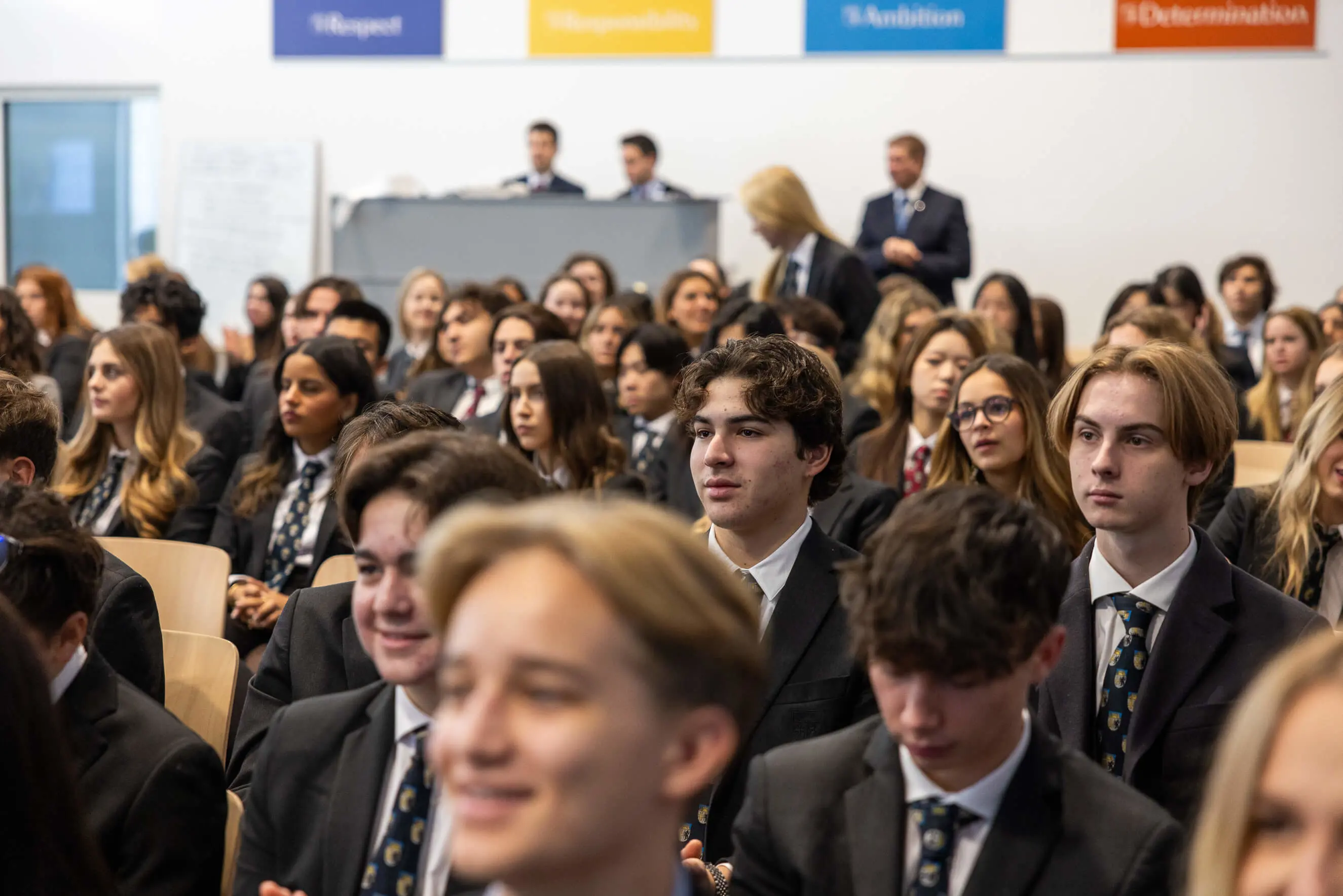
We’re delighted that you’re interested in joining the Beau Soleil family. Your journey starts with our expert Admissions Team, who will guide you through the process – from helping you submit your application form to arranging a guided tour.
Our school – which is home to around 300 students – is small but diverse. This means places are limited, and we’d encourage you to apply as soon as possible to avoid disappointment.