What is Model United Nations?
By Max D, Grade 11 Student
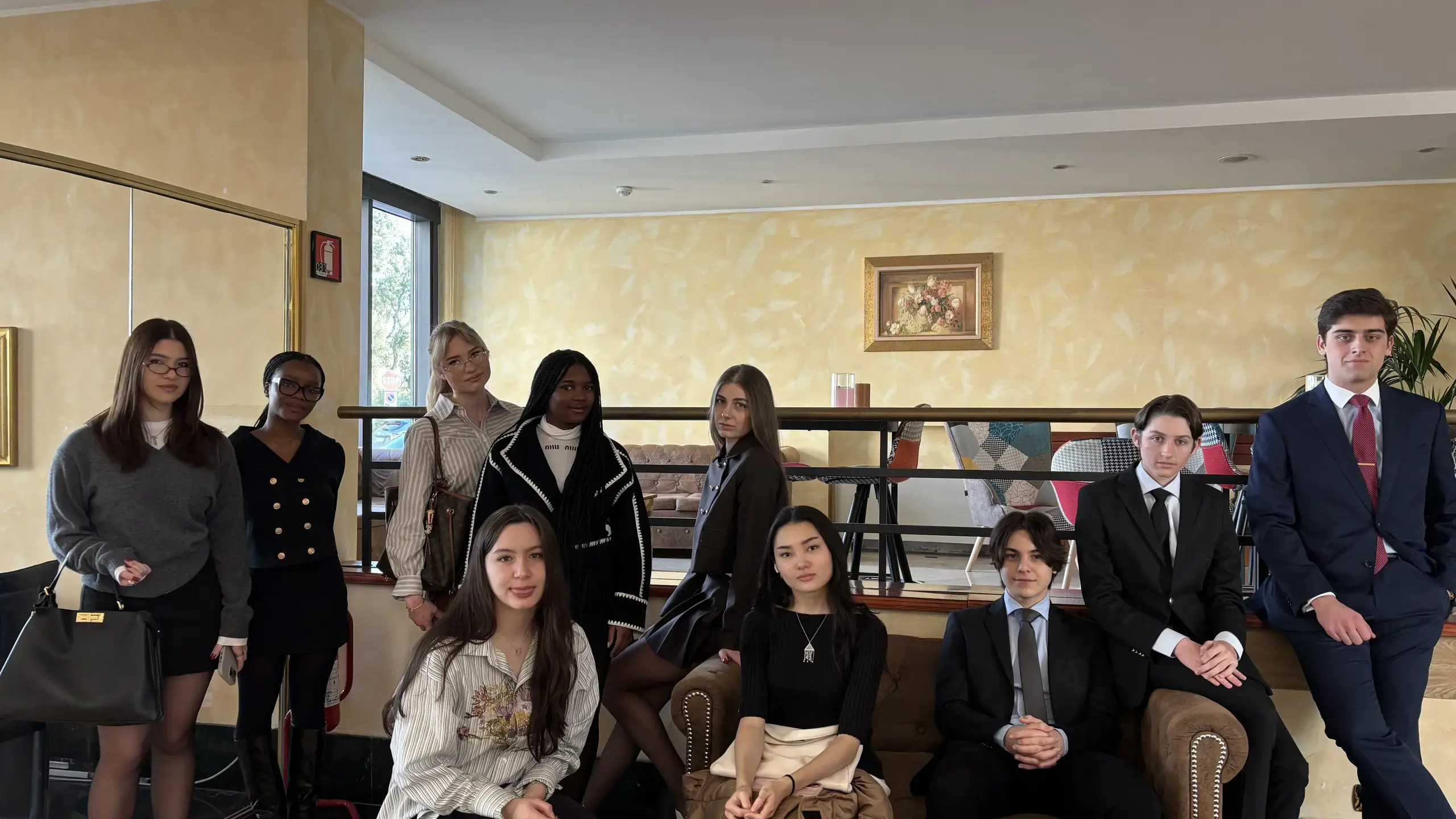
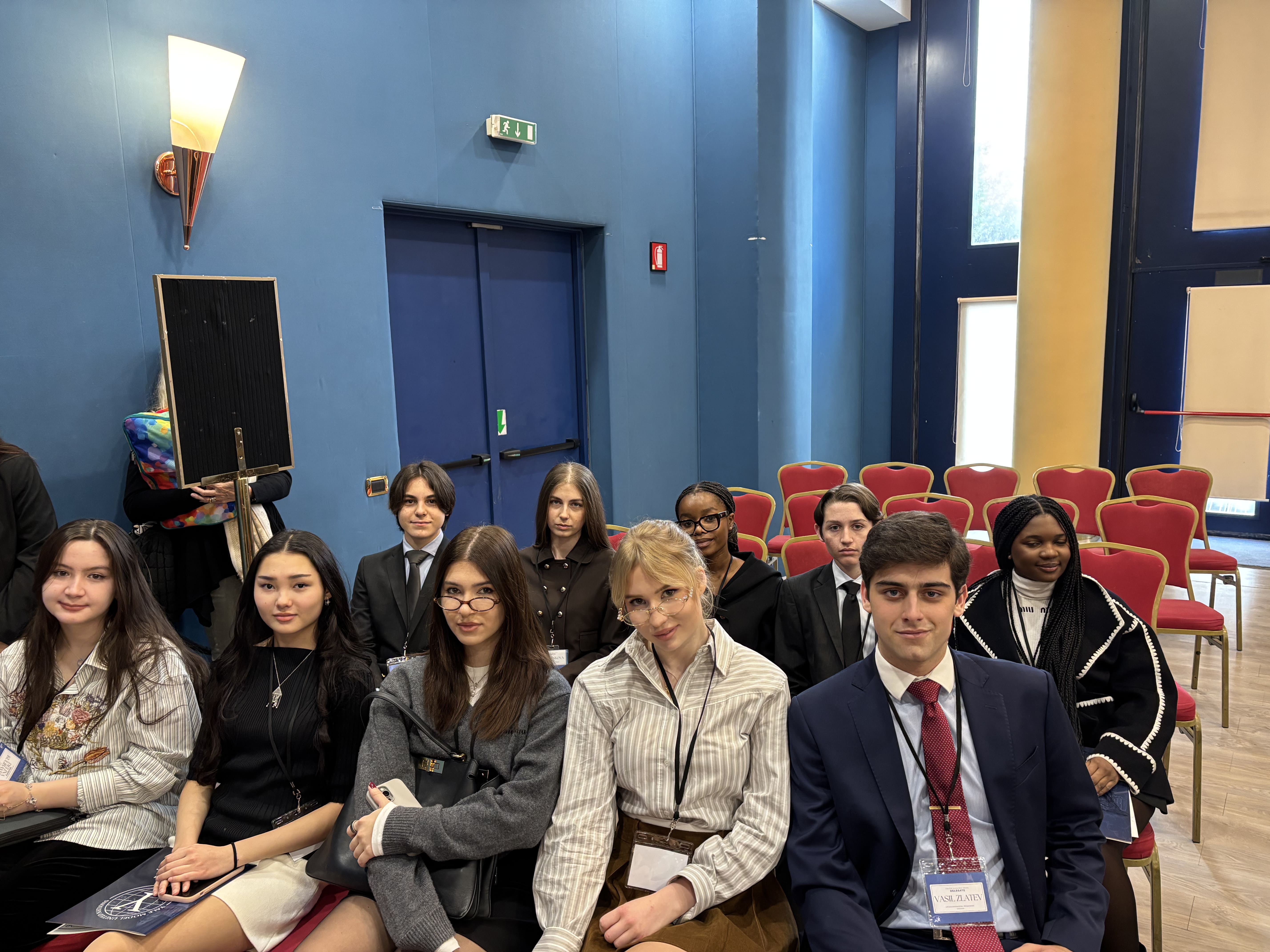
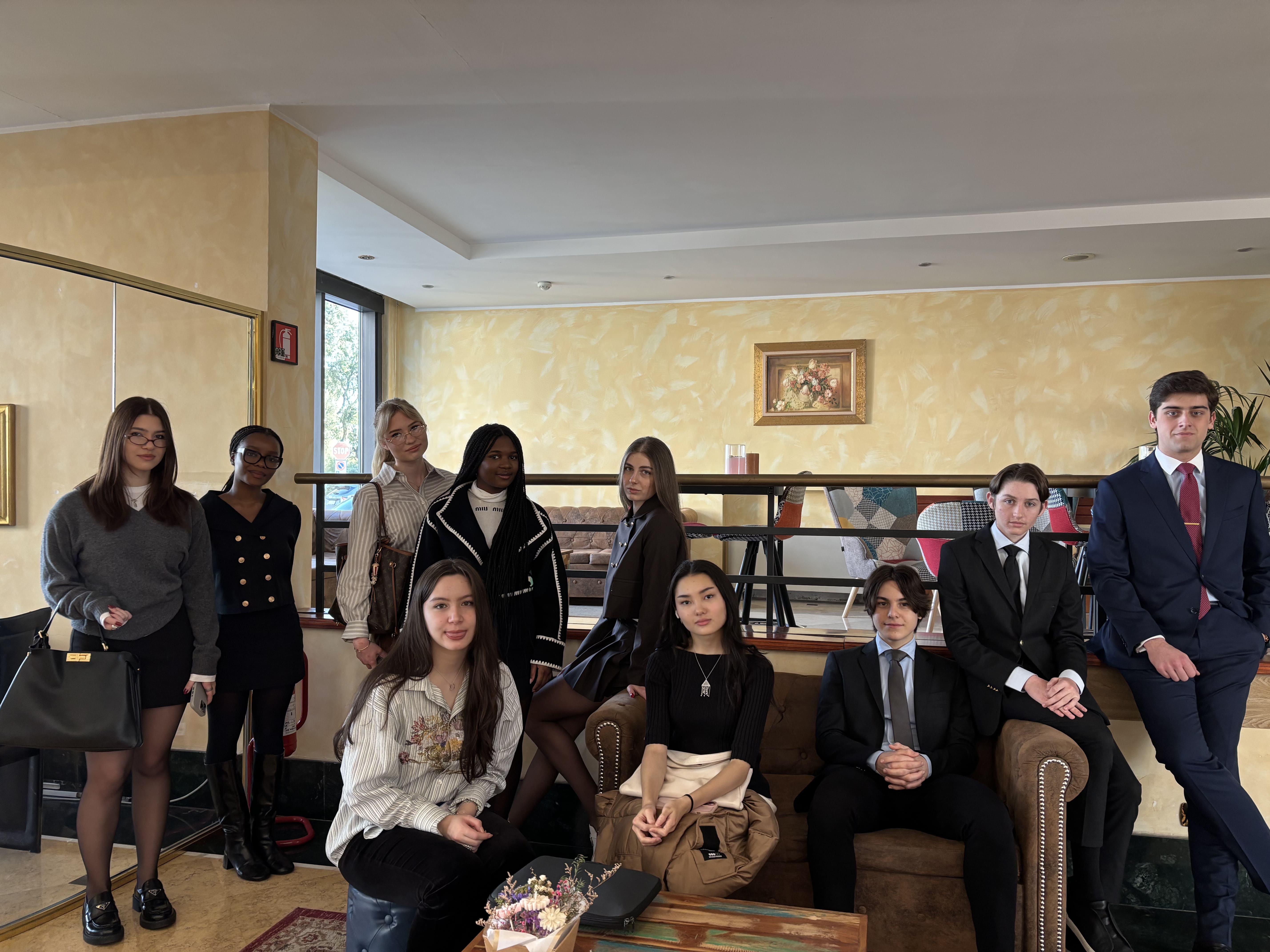
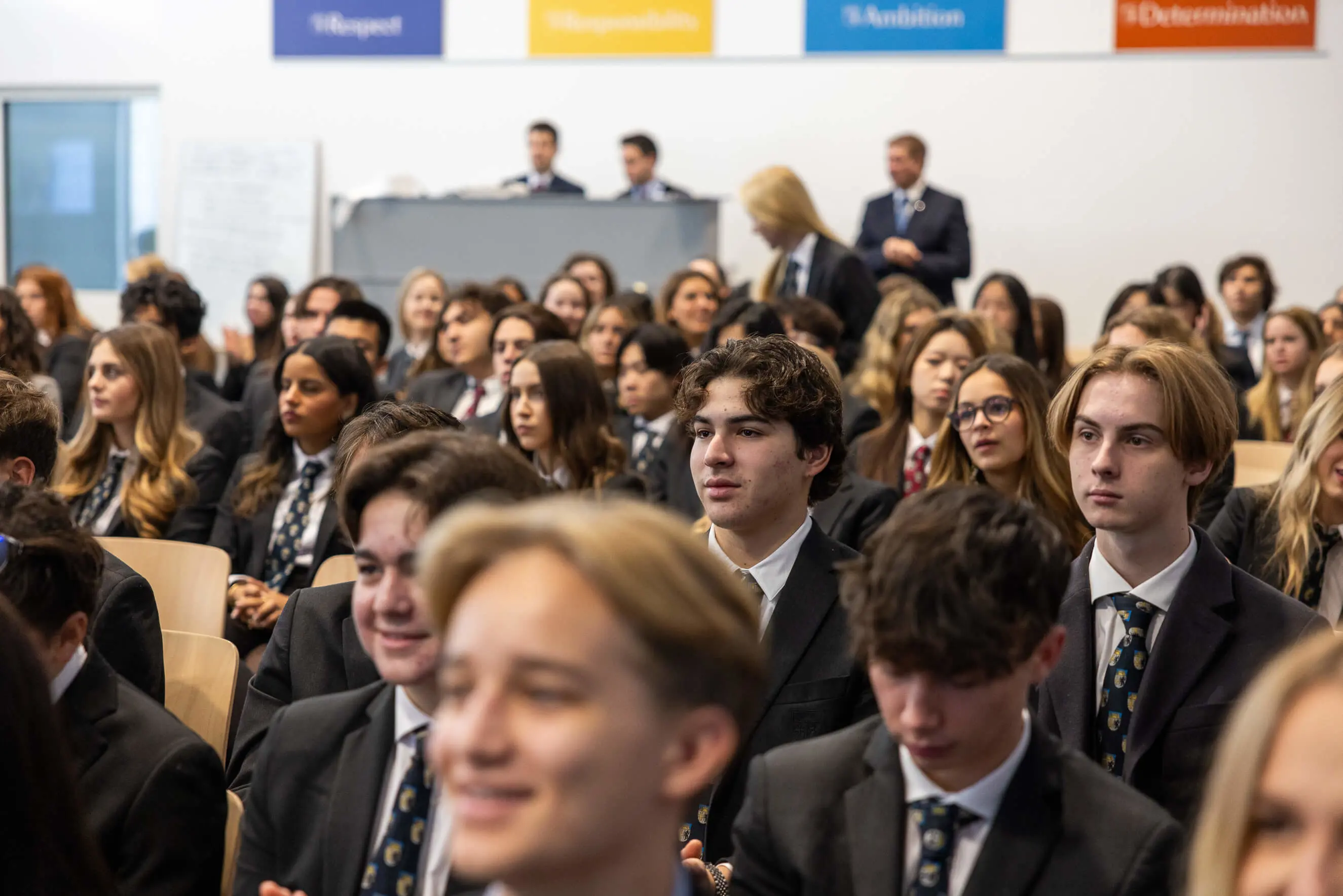
When most people hear “Model United Nations,” they either don't really know what it involves or imagine a room full of people giving speeches. During one of our recent assemblies, members of the MUN club set out to challenge that perception and give the school community a clearer understanding of what actually happens inside a committee room.
To offer a more personal insight into the experience, we spoke with Max, Grade 11 student and a member of the Beau Soleil MUN club, who shared what makes Model United Nations both challenging and rewarding.
“One of the most interesting parts of MUN is that you are not speaking as yourself,” he explained. “Every delegate represents a country, which means researching its policies, understanding its priorities, and defending positions that you may not personally agree with.”
This is what makes MUN such a unique experience. Students are pushed to think from completely different perspectives and learn how to argue convincingly for ideas outside their own viewpoints. While public speaking is certainly part of the experience, Max explained that MUN develops far more than confidence at a podium.
“You learn how to think under pressure because debates never go exactly how you planned,” he said. “Alliances shift, people challenge your ideas, and you have to adapt quickly in the moment.”
Another aspect of MUN that often surprises students is how collaborative it is. Delegates spend much of their time negotiating resolutions, building alliances, and working together to gain support for proposals. Success is not simply about delivering the strongest speech; it is about influencing the direction of the debate, listening carefully to others, and finding common ground within a room full of different perspectives.
Max also introduced students to crisis committees, one of the most intense and fast-paced elements of Model United Nations. In these simulations, situations evolve constantly and delegates must respond to breaking developments in real time, often with very limited information.
“It can feel chaotic,” he admitted, “but that unpredictability is also what makes crisis committees the most exciting.”
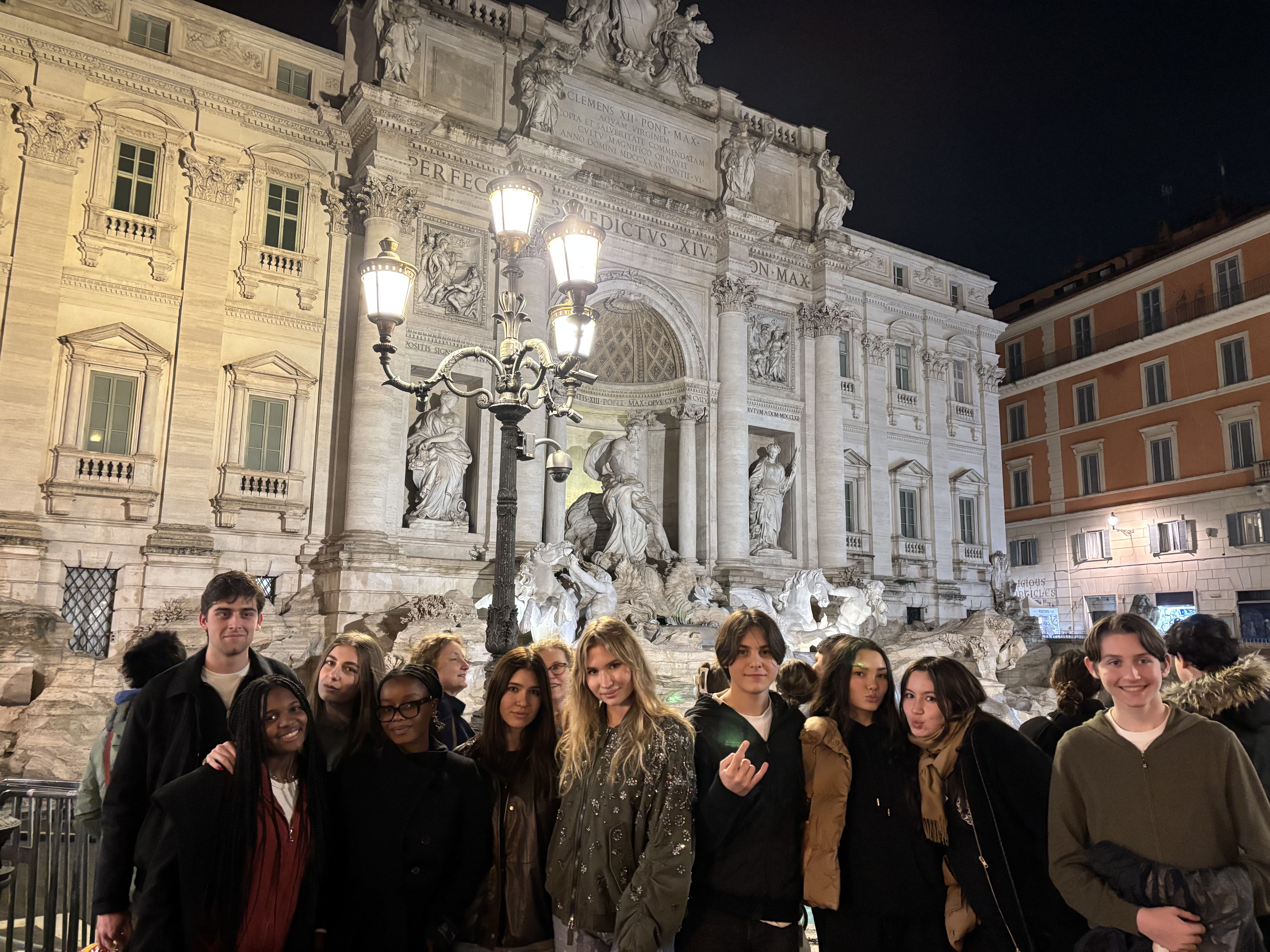
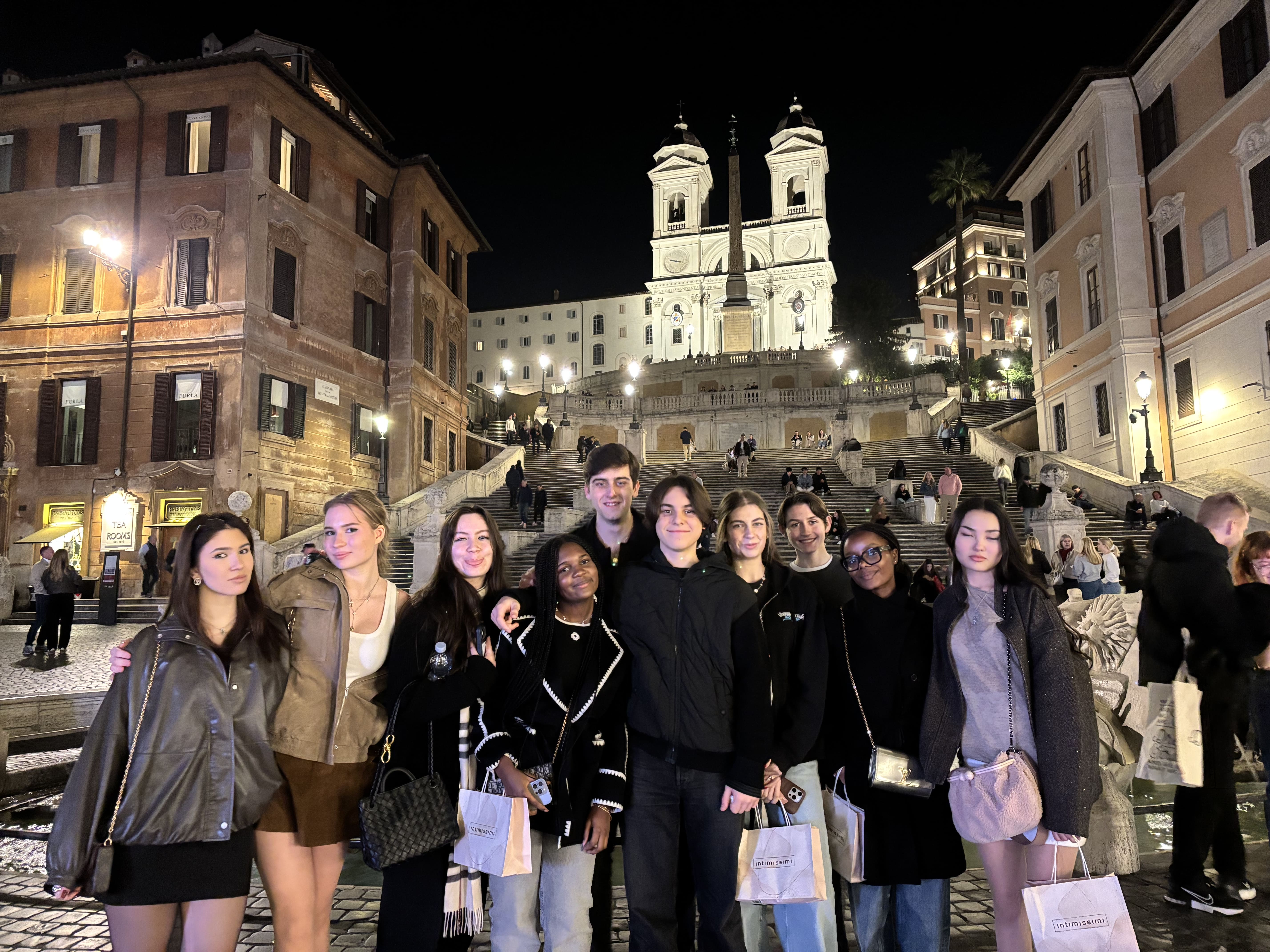
Beyond school sessions, students also have the opportunity to attend conferences alongside delegates from other schools. Awards are based on overall performance throughout the conference, meaning preparation, diplomacy, consistency, and strategy all play an important role.
Perhaps most importantly, the assembly highlighted that MUN is for everyone. You do not need to be the loudest person in the room to succeed. Some of the strongest delegates are often those who listen carefully, analyse situations thoughtfully, and choose exactly the right moment to contribute.
For students who are even slightly curious about Model United Nations, Max had one final piece of advice: “Just try it. It’s one of the few activities where you can genuinely see yourself improve quickly while doing something completely different from normal classes.”
Discover more

End of Winter Reflections: A Season with the Off Piste Club
From powder-filled descents to technical alpine terrain, this winter’s Off Piste Club has taken students beyond the pistes, building skills, confidence, and a true spirit of adventure.

The Beau Soleil Podcast – Episode 3: What does art teach us that other subjects cannot?
In Episode 3 of The Beau Soleil Podcast, Grade 12 Visual Art students join our Art Faculty Lead Carla Meisel and Dr Paul Lynch for a conversation that moves far beyond exhibitions, technique or assessment.
From vulnerability and artistic identity to politics, emotion and self-expression, this episode explores how art education engages something deeper within us — memory, experience and the courage to create.

A Warm Welcome to Our New Students at Beau Soleil
Welcome to Beau Soleil and discover how we welcomed our new students and families to Villars for two sunny days of introductions, activities and new beginnings.
IB Success for Class of 2026
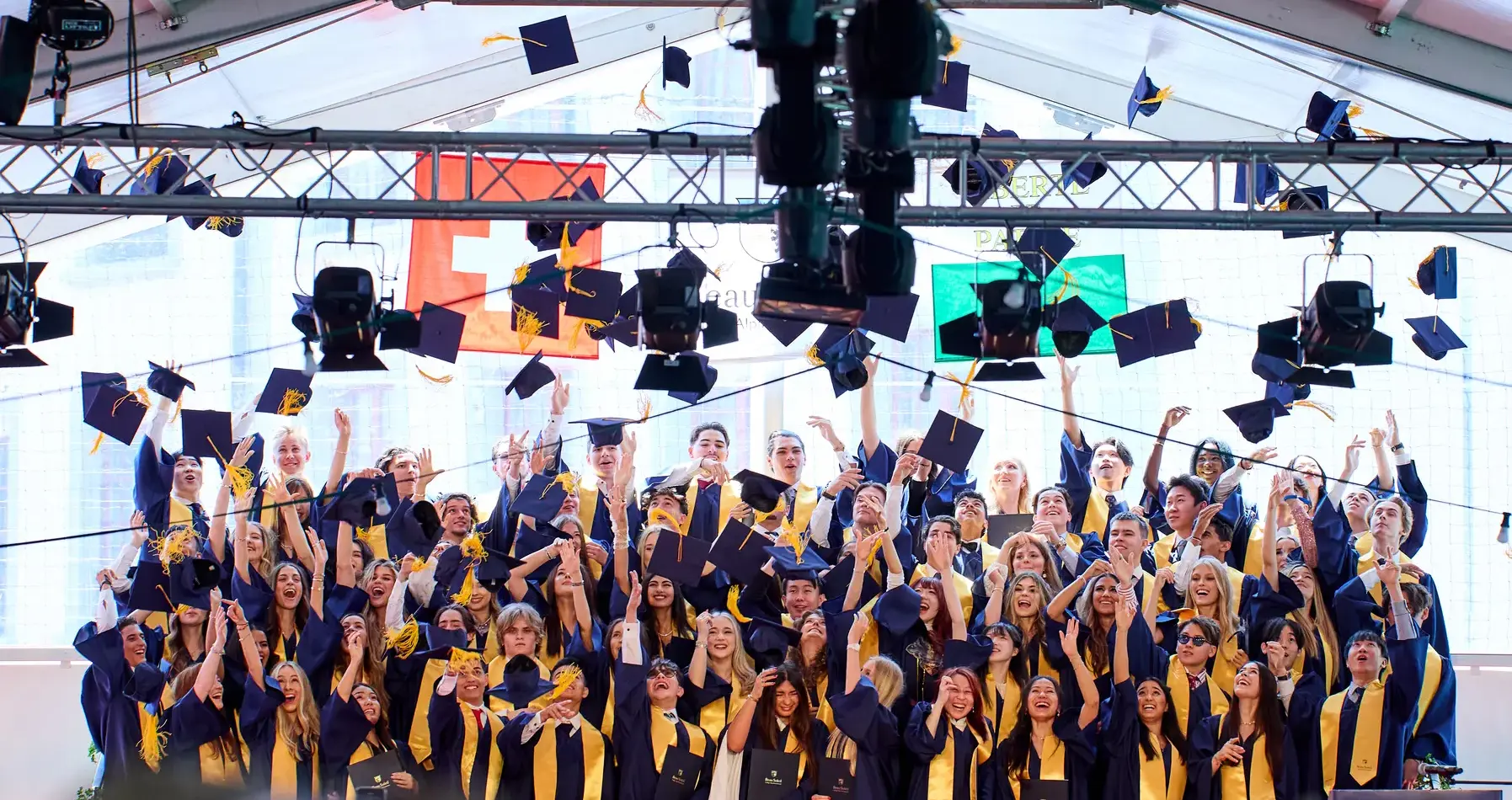
The Class of 2026 at Beau Soleil International School has once again demonstrated exceptional achievement in the International Baccalaureate (IB) Diploma Programme. With an average score of 35 points and a highest score of 45/45, our graduates continue to perform well above the global average. Their success reflects not only academic excellence, but also perseverance, ambition, and a truly global outlook. Graduates have received offers from leading universities including New York University, Vanderbilt University, the London School of Economics and Political Science, Imperial College London, UCLA, USC, and many more around the world.

Beau Soleil Golfers Tee Off the New Season
Beau Soleil golfers begin the season at Sion Golf Club, with students gaining valuable competition experience and celebrating a standout win.

Grade 11 Take on Their First Alpine Expedition of the Year
Grade 11 students head into the Swiss Alps for a two-day Outdoor Education expedition, taking on hiking, climbing, glaciers and new challenges.

What is Model United Nations?
Discover what really happens inside Model United Nations as members of the Beau Soleil MUN club share their experiences of debate, diplomacy, collaboration, and fast-paced crisis committees. From representing different countries to thinking under pressure, students explain why MUN is far more than just public speaking.

Dance Showcase at Beau Soleil
Beau Soleil students took to the stage in a vibrant Dance Showcase featuring ballet, jazz, contemporary and hip hop performances.

From Train to Télécabine: The First Challenge of the Year
Discover the Beau Soleil Challenge Series, a tradition spanning more than 35 years that encourages students to step outside their comfort zones, challenge themselves and achieve something together.

Beau Soleil Student Wins Global Campus Writing Competition
Beau Soleil student Lolowa has been named the overall winner in the 14+ category of the Nord Anglia Global Campus Writing Competition. Chosen from over 4,282 entries across 89 schools worldwide, her story Rook Lantern and the Whispering Root impressed judges with its vivid imagination and exceptional use of language.

Admissions
We’re delighted that you’re interested in joining the Beau Soleil family. Your journey starts with our expert Admissions Team, who will guide you through the process – from helping you submit your application form to arranging a guided tour.
Our school – which is home to around 300 students – is small but diverse. This means places are limited, and we’d encourage you to apply as soon as possible to avoid disappointment.